

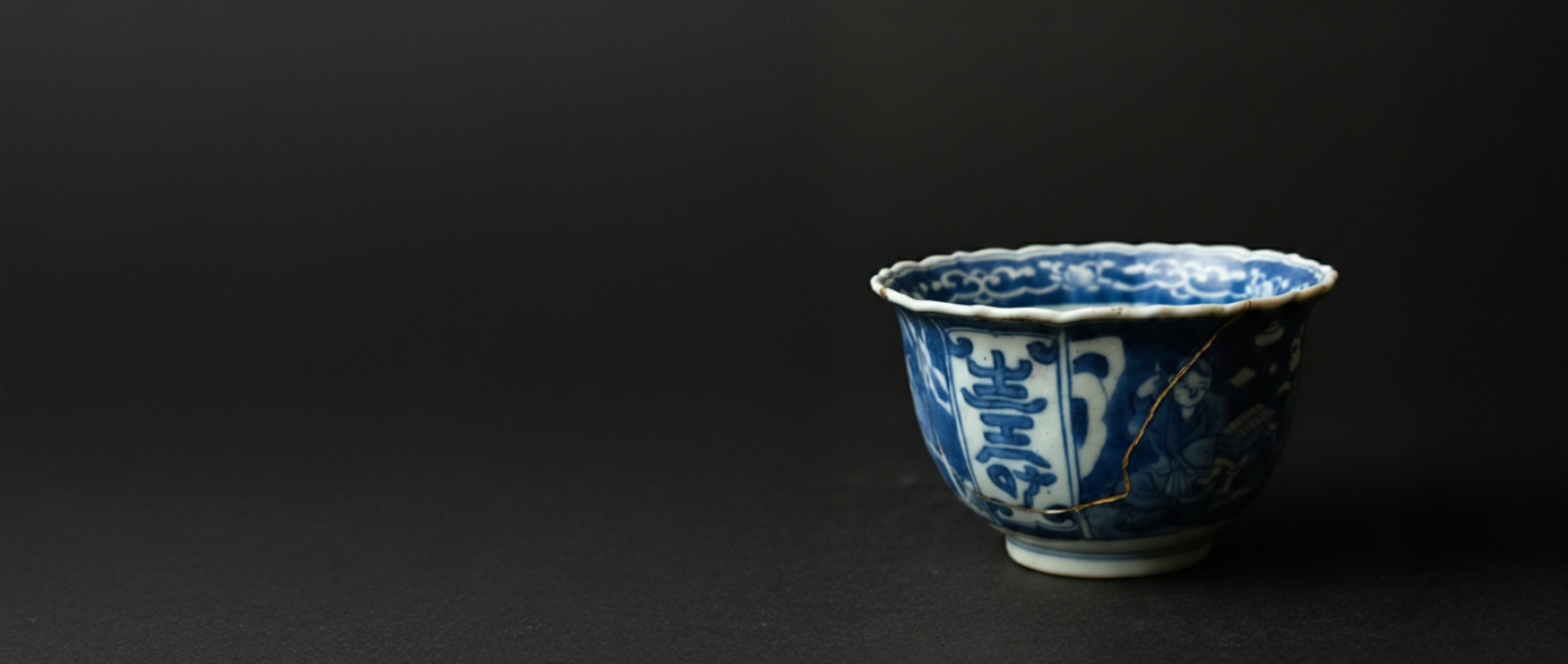
FUKUNE では、金継ぎが初めての方でも、金継ぎの歴史から、道具の説明、金継ぎのやり方までを一つひとつ丁寧にお伝えしています。
単に器を修復する時間ではなく、 自分自身と静かに向き合うひとときを大切にした金継ぎ体験です。
At FUKUNE, we carefully guide beginners through every step of kintsugi—from its history and tool explanations to the actual repair process.
This kintsugi experience values not just the time spent repairing vessels, but the quiet moments of self-reflection.
在FUKUNE,即使是初次接触金继修复的人,我们也会从金继的历史、工具说明到修复方法,逐一细致地为您讲解。
这不仅是修复器皿的时光,更是珍视与自我静心相处的金继体验。
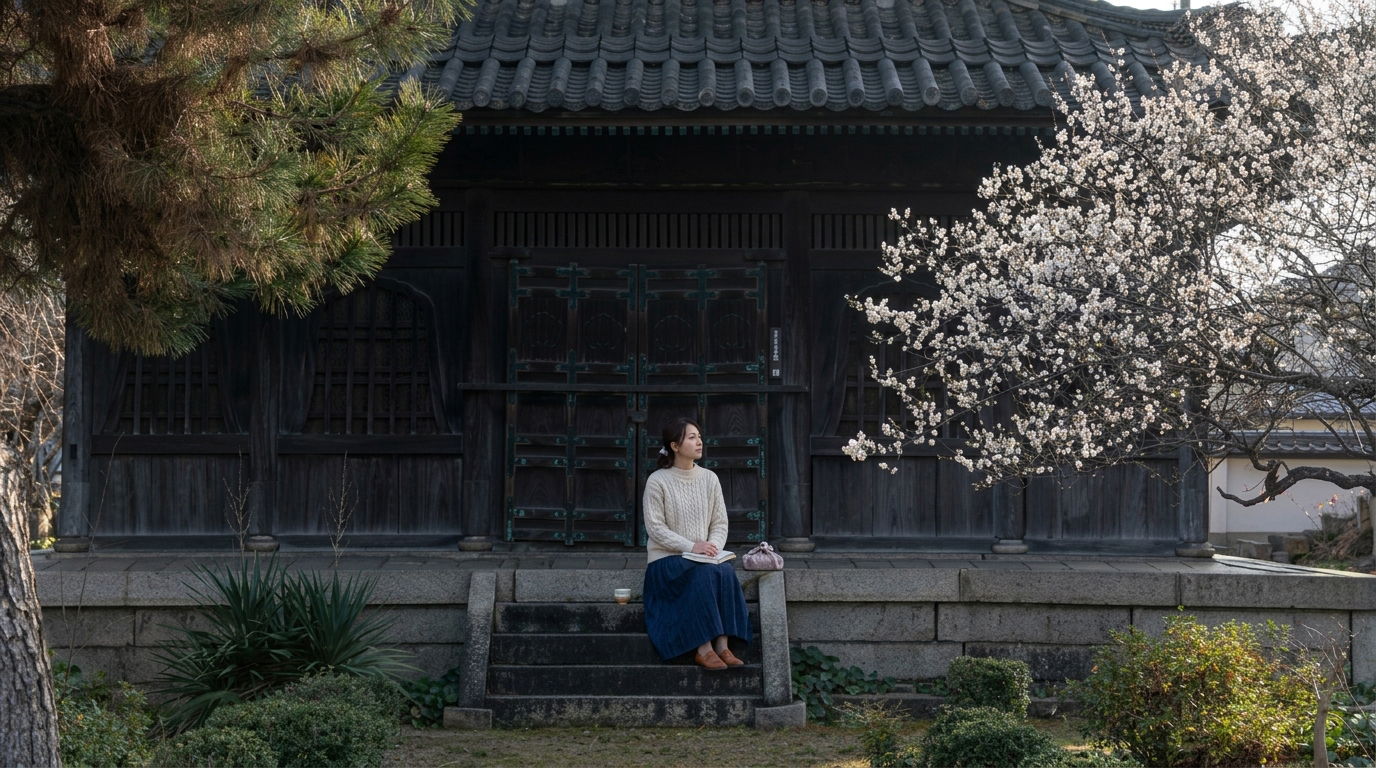
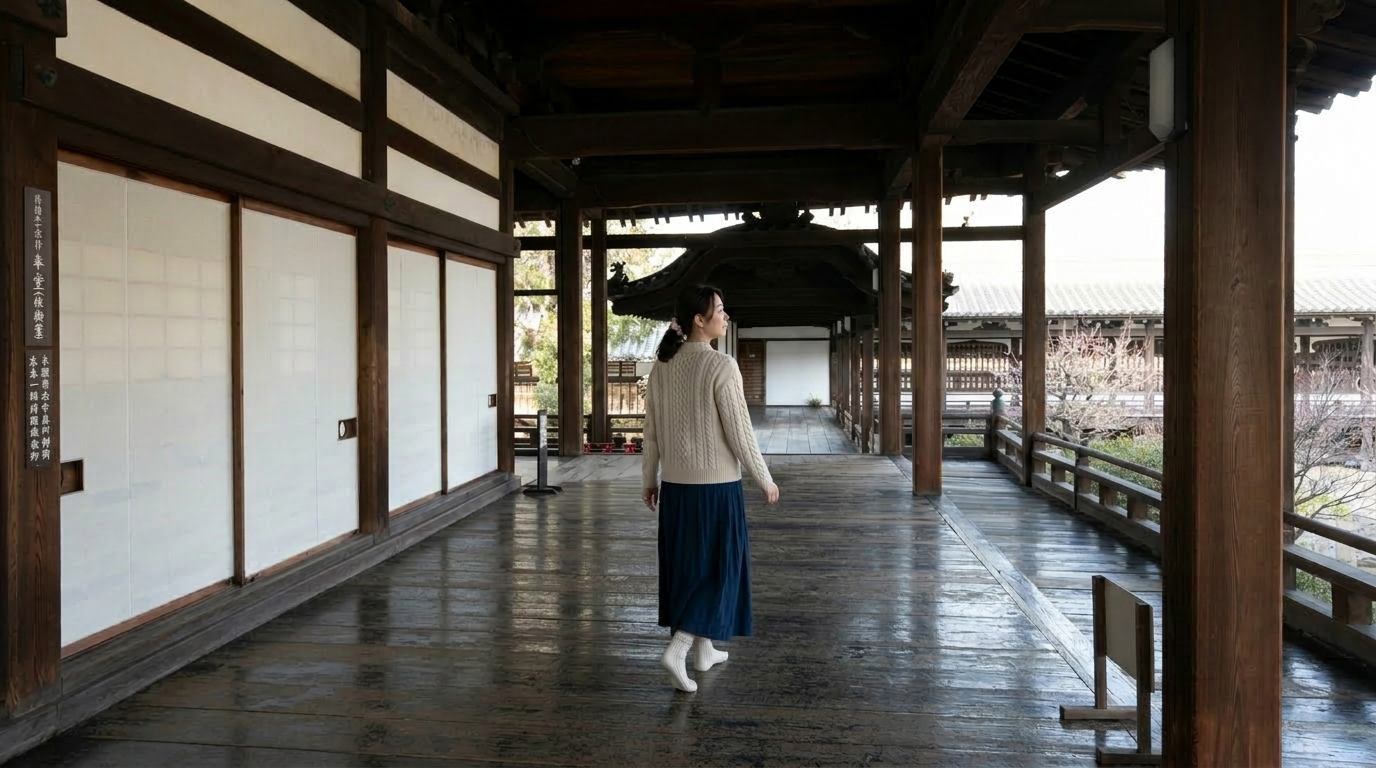
FUKUNE の金継ぎ体験は、 姫路のなかでも由緒あるお寺「本徳寺」の大きな門をくぐるところから始まります。
門を一歩くぐると、そこは俗世の喧噪から切り離された別の世界。 静かで厳かな空気が流れる境内を歩きながら、FUKUNE へと向かいます。
砂利を踏みしめる音、風に揺れる木々、差し込むやわらかな光。 その道のりを歩くうちに、 自然と気持ちが落ち着き、金継ぎに集中できる心の状態へと整っていきます。
The FUKUNE kintsugi experience begins as you pass through the grand gate of Hontoku-ji Temple, one of Himeji's most venerable temples.
Stepping through the gate transports you to another world, detached from the clamor of the secular realm.
Walking through the temple grounds, where a quiet and solemn atmosphere prevails, you make your way to FUKUNE.
The sound of gravel crunching underfoot, trees swaying in the breeze, soft light filtering through. As you walk this path, your mind naturally settles, preparing you for the focused state required for kintsugi.
FUKUNE的金继体验,始于穿过姬路历史悠久的寺院「本德寺」那座宏伟的寺门。
踏过门楣的瞬间,便置身于与俗世喧嚣隔绝的另一世界。沿着流淌着静谧庄严气息的寺院境内前行,逐步走向FUKUNE工坊。
脚下砾石的碎响,风中摇曳的枝叶,透入的柔和光线。行走于这条小径时,心绪自然沉静下来,逐渐进入能专注于金继修缮的状态。
席に着いたら、まずは金継ぎという技法そのものを「知る」時間から始まります。
FUKUNE では、いきなり作業には入りません。 金継ぎがどのような時代背景の中で生まれ、どんな価値観のもとで受け継がれてきたのかをお話しします。
割れた器を捨てるのではなく、 傷を受け入れ、その痕跡を美しさとして残す。 そこには、日本ならではの美意識と、ものと向き合う姿勢があります。
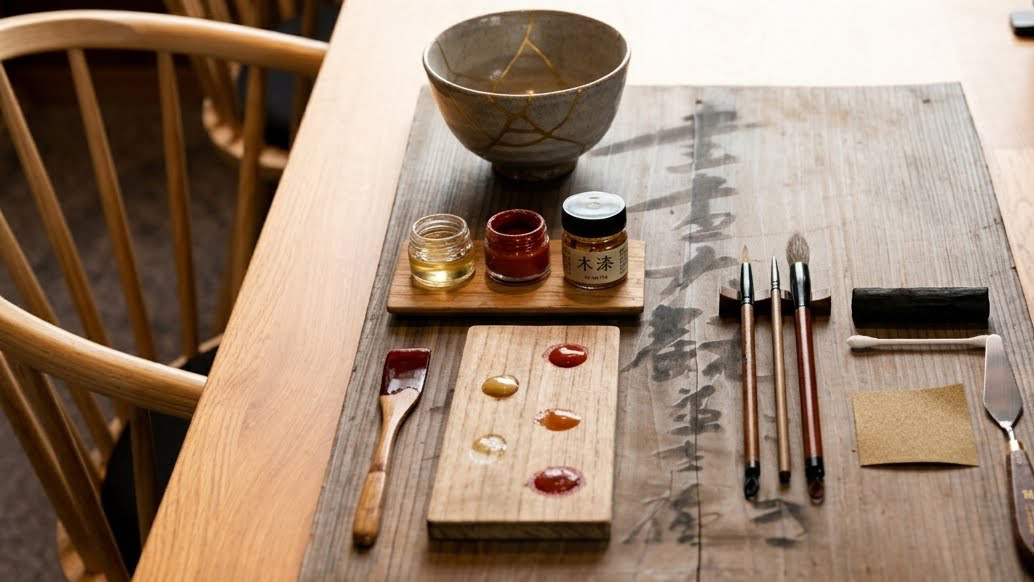
続いて、実際に使う道具を一つずつご紹介します。
漆、筆、粉、ヘラ。 どれも静かで控えめですが、長い年月をかけて洗練されてきた道具たちです。
「なぜこの道具を使うのか」
「この工程にはどんな意味があるのか」
工程を知ることで、 これから行う作業が、単なる修復ではないことが自然と理解できるはずです。
Once seated, we begin by taking time to “learn” about the kintsugi technique itself.
At FUKUNE, we don't jump straight into the work. We explain the historical context in which kintsugi was born and the values under which it has been passed down.
Rather than discarding a broken vessel, we embrace the damage and preserve its traces as beauty. This embodies a uniquely Japanese aesthetic sensibility and an attitude toward objects.
Next, we introduce each tool used in the process one by one.
Lacquer, brushes, powder, spatulas. Each tool is quiet and unassuming, yet refined over many years.
“Why do we use this tool?”
“What significance does this step hold?”
Understanding the process naturally reveals that the work ahead is more than mere repair.
入座后,首先将从了解金继技法本身开始。
在FUKUNE,我们不会直接进入操作环节。我们会先讲述金继诞生于怎样的时代背景,又在怎样的价值观下传承至今。
不舍弃破碎的器皿,而是接纳伤痕,将其痕迹转化为美。其中蕴含着日本特有的美学意识,以及与器物相处的态度。
随后,我们将逐一介绍实际使用的工具。
漆料、毛笔、金粉、刮刀。这些看似静默低调的器具,实则是历经岁月淬炼的匠心之作。
“为何选用此工具?”
“此工序蕴含何种意义?”
当理解每个工序的深意,您自会领悟:即将展开的修复,绝非简单的修补。
いよいよ、金継ぎの作業に入ります。
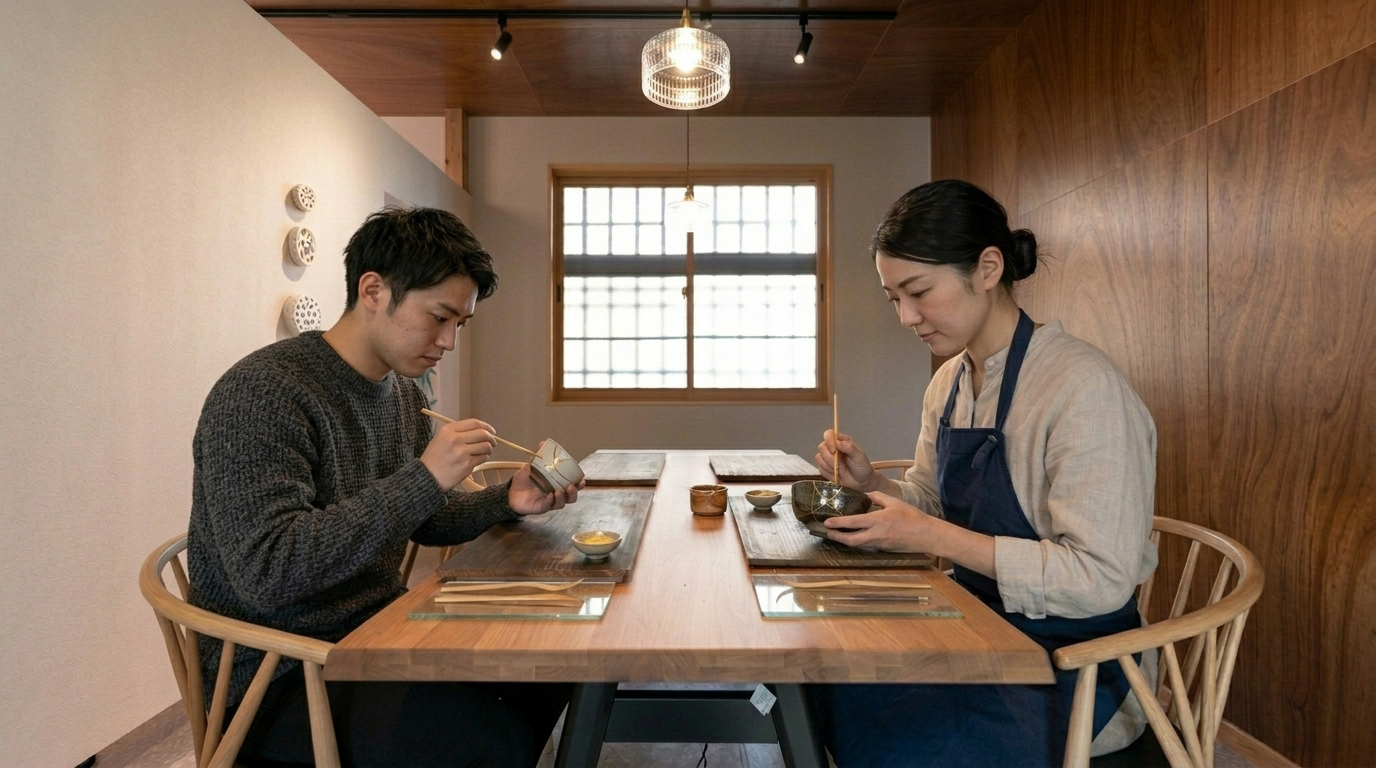
まずは、ご自身の器を静かに観察するところから。 割れた部分、欠けた部分、その形や状態を確かめます。
慌てる必要はありません。
FUKUNE では、仕上がりの美しさよりも、 器と丁寧に向き合う時間そのものを大切にしています。
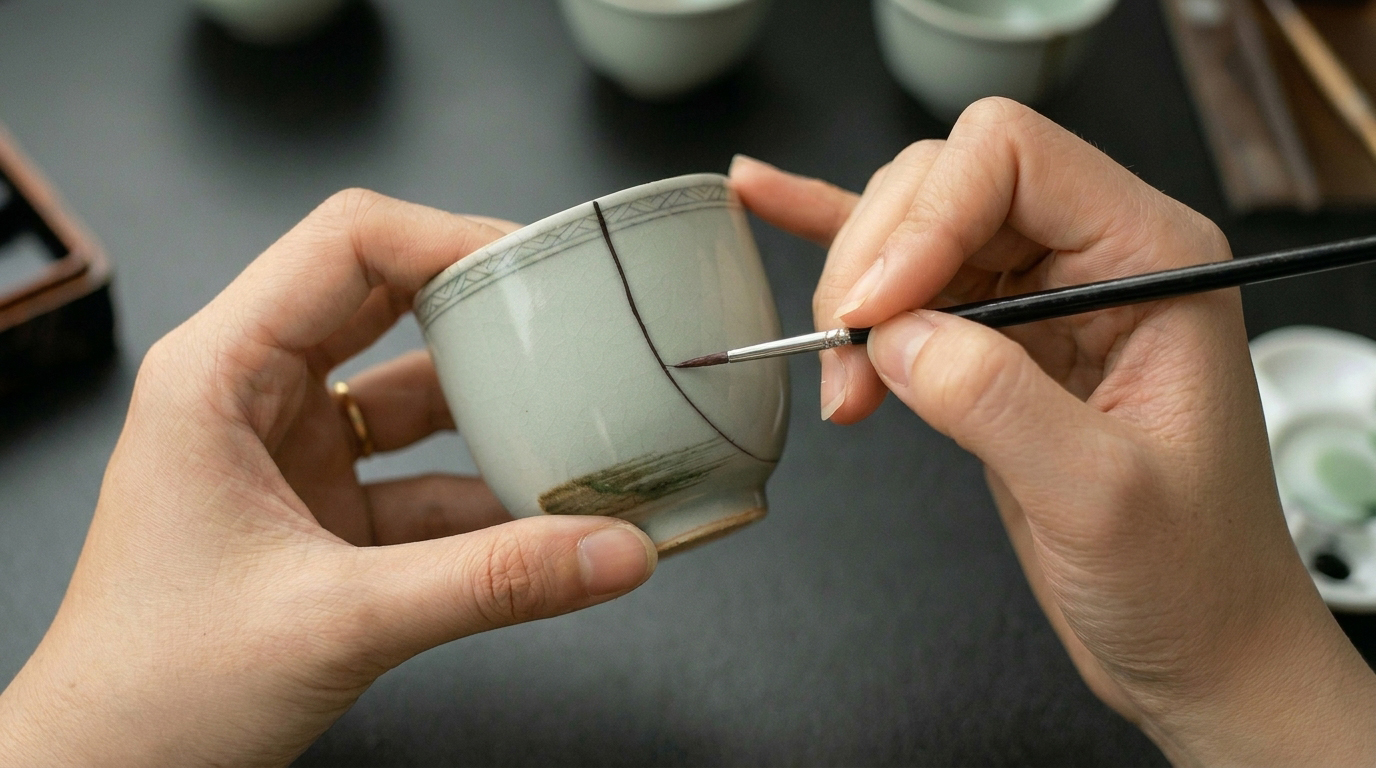
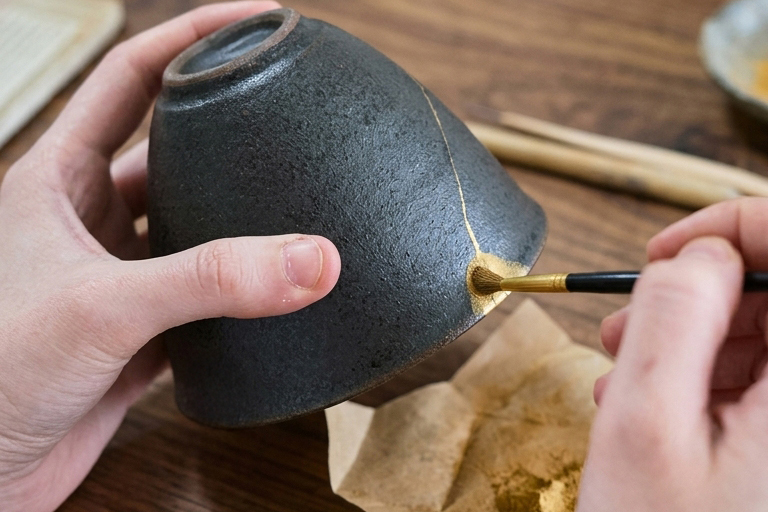
漆を使い、割れた部分を少しずつつなぎ合わせていく。 筆を動かす手元に意識を向けていると、 周囲の音や時間の流れが、次第に遠のいていきます。
言葉を交わさなくても心地よい、
静かで没頭できる時間。
失敗しても問題ありません。 その都度、講師がそっと手を添えながらサポートします。
Finally, we begin the kintsugi process.
First, quietly observe your own vessel. Examine the broken and chipped parts, noting their shape and condition.
There's no need to rush.
At FUKUNE, we value the time spent carefully engaging with the vessel itself more than the final aesthetic result.
Using lacquer, you gradually piece the broken parts back together. As you focus your awareness on the movement of your hand guiding the brush, the sounds around you and the passage of time gradually fade away.
A quiet, immersive time—
comforting even without words.
It's okay if you make a mistake. Each time, the instructor will gently guide your hand and offer support.
终于要开始金继修复工作了。
首先,请静静观察自己的器皿。确认破损处、缺损处,以及它们的形状与状态。
不必慌张。
在FUKUNE,比起成品的美感,我们更珍视与器皿细心相处的时光本身。
用漆料一点一点地将碎片拼合。当专注于执笔的手部动作时,周遭的声响与时间的流逝,渐渐变得遥远。
无需言语交谈却倍感舒适,
是段静谧而能全然投入的时光。
即使失败也无妨。导师会随时轻柔地扶着您的手给予指导。
最後に、金継ぎの仕上げを行い、 器がどのように変化したのかを一緒に確認します。
割れた痕跡は消えていません。 けれど、そこには新しい表情と意味が生まれています。
器を見つめながら、
「直した」という感覚以上に、
何かが整ったような感覚を覚える方も少なくありません。
Finally, we complete the kintsugi finishing and examine together how the vessel has transformed.
The traces of the break remain visible. Yet, within them, a new expression and meaning have emerged.
Gazing at the vessel,
many feel not merely a sense of “repair,”
but rather a sense of something having been set right.
最后,我们将完成金继修复,一同确认器皿发生了怎样的变化。
裂痕并未消失,
却在此处孕育出新的表情与意义。
凝视着器皿,
许多人感受到的,
远不止是“修好了”的单纯感受,
更像是某种事物得以安顿的宁静。
金継ぎ 1 日体験コースの所要時間は、約2時間です。
短い時間ではありますが、日常から少し離れ、器と、そして自分自身と向き合うには、十分な時間。
FUKUNE の金継ぎ体験は、器を直す体験であると同時に、心を整える時間でもあります。
The Kintsugi One-Day Experience Course takes approximately 2 hours.
Though brief, it offers ample time to step away from daily life and engage with the vessel—and with yourself.
FUKUNE's Kintsugi experience is both an opportunity to repair a vessel and a time to center your mind.
金继一日体验课程的时长约为2小时。
虽时间短暂,却足以让人暂时抽离日常,与器物、与自我对话。
FUKUNE的金继体验,既是修复器物的过程,亦是整顿心灵的时光。